Children do learn to read, write, and compute at school, but something equally important also happens. Basic GK for kids helps transform young children’s natural interest in the world around them into a sincere interest in learning. Learning about the ocean, space, animals, history, or commonplace objects enables kids to think, investigate, and ask questions in addition to imparting facts. Their vocabulary, self-assurance, and capacity for deep dialogue all increase as their knowledge does. If a child has even a small amount of knowledge, they can approach new subjects with interest and learn all subjects with greater ease.
What Does General Knowledge Mean for Primary Students?
General knowledge isn’t tied to any single subject — it spans countries, animals, inventions, famous personalities, nature, sports and events that have shaped the world. For young children, this kind of broad awareness does something specific: it gives context to things they hear and see every day, and it gives them the language to ask better questions about them. A school in Nagpur that weaves this into early learning through stories, quizzes and classroom discussions is doing more than covering extra content — it’s building the kind of curiosity that increases kids’ interest in every subject they come across.
Why Learning Beyond Textbooks Matters?
Textbooks cover what needs to be taught — but they can’t cover everything a child needs to understand. The world outside the classroom is full of context that makes what’s inside it make sense. When children are encouraged to observe, discuss and explore beyond their syllabus, they start connecting what they learn in school to what they see around them. That connection is what turns information into understanding. Child development activities built around this kind of exploration don’t just add to what children know — they change how children think, making them more observant, more curious and more willing to engage with ideas that don’t come with a right or wrong answer.
The Importance of Knowing About the World
Children are born with curiosity and don’t need to be trained. Whether or not that curiosity is given quality stuff to work with is what matters. Children may make sense of what they already see around them with the help of maps, landmarks, the evolution of places over generations, and the factors that produced their own nation. Early India GK questions create a calm foundation, helping kids feel like they belong before they start seeking outside of themselves. They understand new information differently as a result of this foundation, not only in geography but in all they study.
How Current Affairs Shape Young Minds?
Although it’s not necessary for kids to follow every news every day, being aware of major developments helps in their understanding of the world they live in. Age-appropriate conversations about discoveries, achievements and community happenings encourage children to think beyond their immediate surroundings. Activities built around Class 1 General Knowledge often start here — simple discussions that introduce the idea that things worth knowing about are happening outside the classroom too.
The Role of History in Everyday Knowledge
History gives children a sense of how things came to be — why the world looks the way it does and who shaped it. Learning about important leaders, inventions, and events helps children recognise how past efforts have shaped the world they live in today. Learning about national figures and important milestones from an early age gives children a connection to their country’s story before they encounter it formally in class. A best school in Nagpur brings history in through storytelling rather than memorisation, making it something children are genuinely curious about.
How Reading Contributes to Broader Knowledge?
Science is already happening around children all the time — in the weather, in how plants grow, in why the sky changes colour. When children learn simple scientific facts, they do not just learn answers — they start asking better questions. A child’s natural interest can be developed into a habit of thinking and investigating through easy experiments and practical exercises. The earlier scientific thinking is introduced, the deeper it takes root. A reputed school in Nagpur that makes observation and reasoning part of primary learning gives students a way of thinking that shows up well beyond the science classroom.
The Link Between Knowledge and Communication
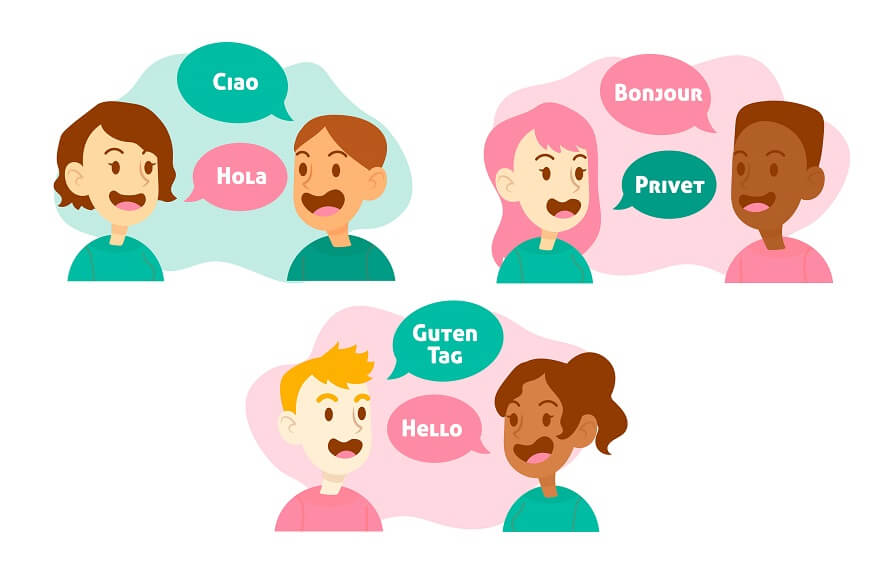
A child who knows a little about a lot walks into a conversation with something to contribute. General knowledge gives children ideas to share, questions worth asking and enough awareness to engage with what others are saying. This shows up in classroom discussions where students with broader knowledge participate more naturally. Class 1 General Knowledge programmes that build this early aren’t just adding information — they’re giving children the confidence to express themselves.
Why Cultural Awareness Is Important?
India’s diversity is one of the most interesting things a child can learn about — different festivals, languages, customs and traditions that exist within a single country. When children are introduced to this variety early, it builds respect for people who celebrate and live differently. India GK questions that touch on cultural heritage give children a sense of the richness around them, helping them see diversity as something worth understanding, not just acknowledging.
How General Awareness Supports School Activities?
A child with broad general awareness shows up differently in quizzes, group projects and school competitions — they have something to contribute beyond the last chapter covered in class. Knowledge picked up outside textbooks surfaces in exactly these moments. Introducing Basic GK for kids at an early stage helps children build the knowledge and confidence needed for these opportunities naturally, without them even realising it. During CBSE school admission, parents who ask about co-curricular participation are really interested knowing whether their child will develop this kind of well-rounded awareness.
Preparing Children for Future Opportunities
What children learn in their primary years doesn’t disappear — it becomes the base everything else is built on. A child exposed to a wide range of topics early tends to adjust to advanced subjects more easily because something about them already feels familiar. Class 1 General Knowledge that introduces diverse ideas, places, people and concepts plants seeds that often show up years later as genuine interest in a subject. At the best school in Nagpur, early learning is not just preparation for the next grade — it is preparation for a lifetime of curiosity, adaptability, and a willingness to keep learning.
Creating Well-Rounded Learners
General knowledge is not just about getting quiz answers right — it is about building awareness that makes a child more confident, curious, and engaged with the world around them. Children who are regularly exposed to a wide range of knowledge develop a broader way of thinking that does not switch off when the school day ends. If you ever plan to visit our CBSE schools in Wardhaman Nagar that treat this as a genuine part of education, you will see that we invest in something that reflects not only in results but also in how children grow as individuals. Visit to know more about general knowledge questions for Class 1
FAQs: Why General Knowledge Is Important for Primary Students
1. Why is general knowledge important for primary students?
It helps children understand the world, build awareness, and improve thinking and communication skills.
2. How does it support studies?
By helping students in making connections between classroom concepts and practical knowledge, it facilitates learning.
3. How can kids increase their general knowledge?
Through reading, debates, tests, and learning basic facts and current affairs.
4. When should kids begin studying it?
From an early age, using simple stories, facts, and daily observations.
5. How does it help outside school?
It builds confidence, awareness, and helps children understand everyday situations better.
Conclusion
General knowledge does more than fill gaps between subjects — it builds the kind of awareness that makes children more curious, more confident and more connected to the world around them. History, science, culture, current affairs — each adds a layer of understanding that textbooks alone rarely provide. Children exposed to a wide range of topics early develop sharper thinking and stronger communication, creating a foundation that supports every stage of learning that follows. This is exactly what CBSE school admission into the right environment can set in motion — because the habits of curiosity and broad awareness formed in primary years tend to define how a child approaches learning for the rest of their life.
At Centre Point School, one of the leading CBSE Schools in Wardhaman Nagar, we believe that education goes beyond textbooks. Through engaging classroom discussions, quizzes, reading activities, and real-world learning experiences, students develop strong general knowledge alongside academic skills. This balanced approach helps children become curious, informed, and confident learners who are better prepared for future challenges. If you are looking for a school that supports the overall development of your child, Enquire Now to learn more about our learning programmes and admission process.